Most of these ten photographs come from U.S. government agencies, including the Fish and Wildlife Service, NOAA and the National Park Service. Some of the babies, like the panda cub Bei Bei, were celebrities, and some, like the black-footed ferret, belong to a species once given up as extinct. Every photograph is in the public domain.
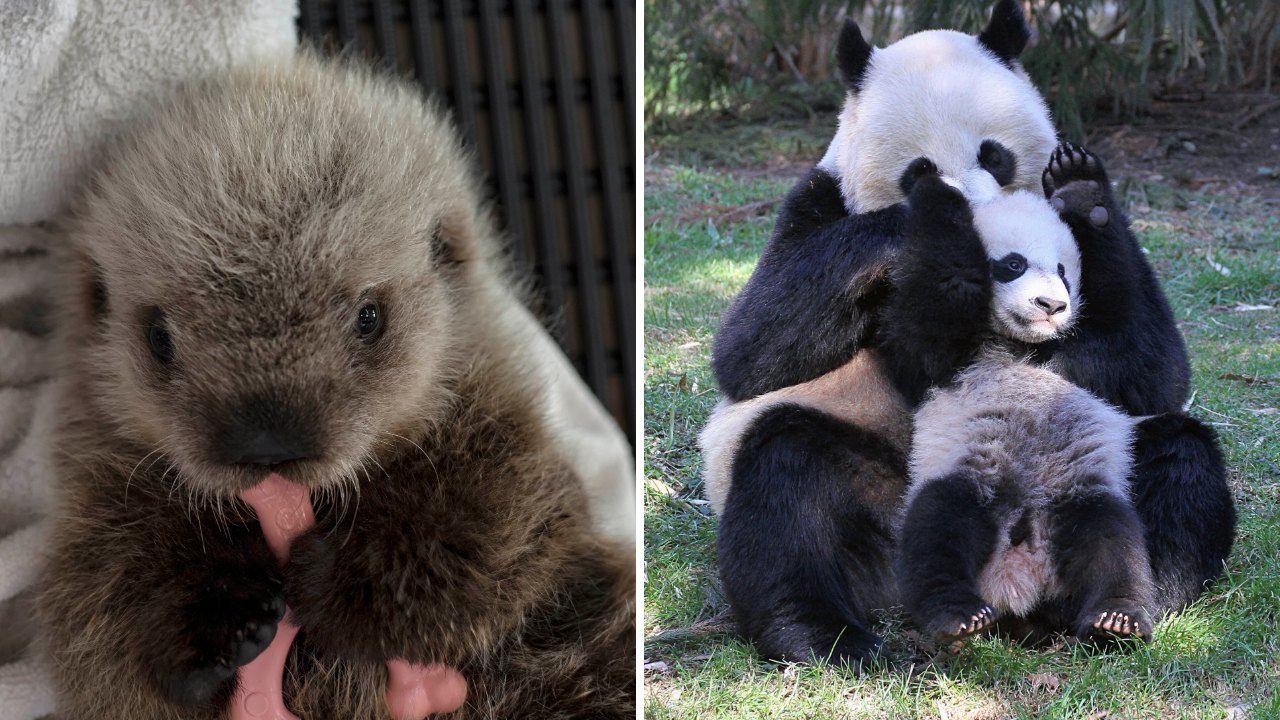
Cinder, the orphaned sea otter
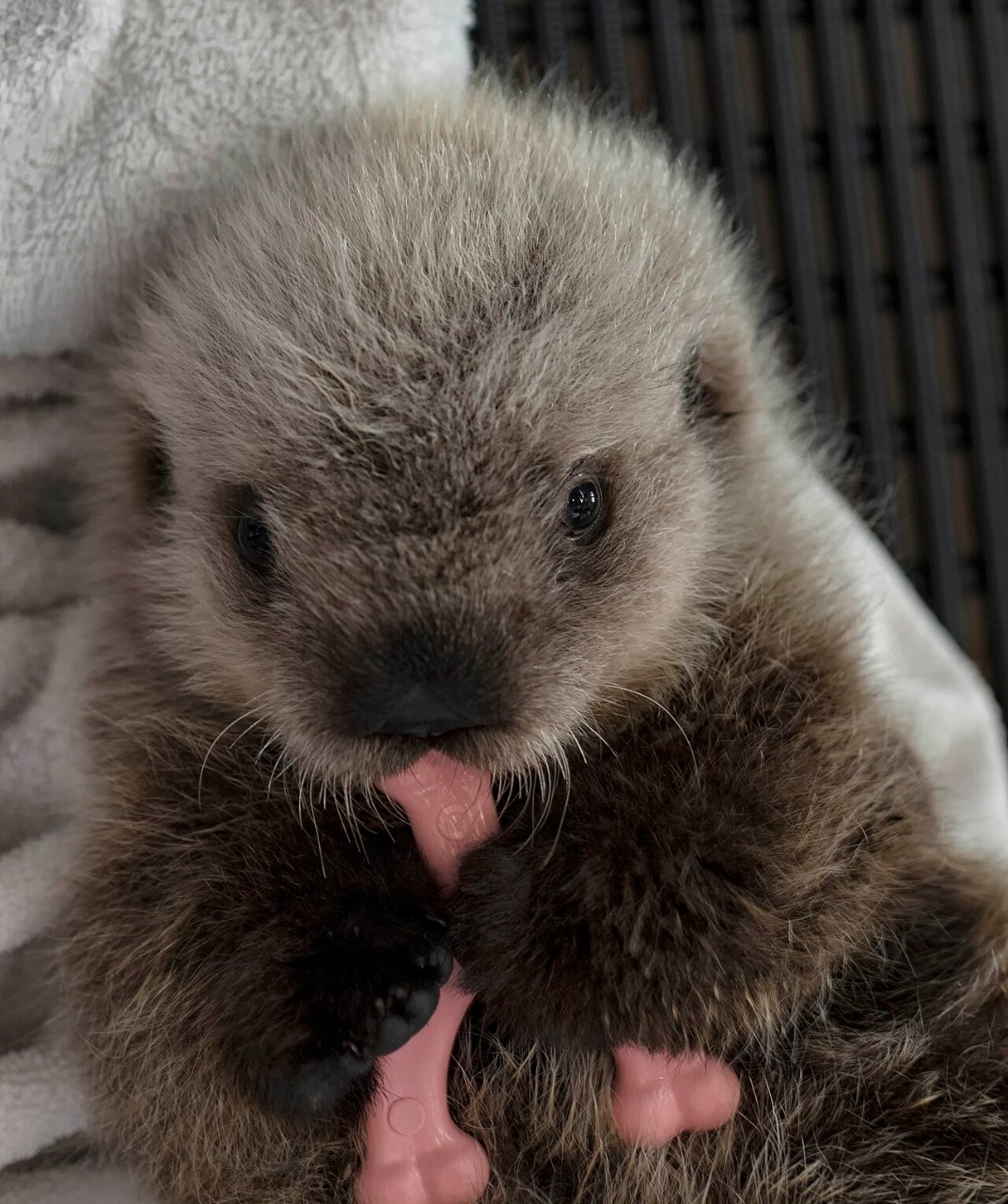
Cinder was about five weeks old when she was found near Homer, Alaska, apart from her mother. Raised by people, she was not a good candidate for release, so the U.S. Fish and Wildlife Service sent her to SeaWorld San Diego. She ate every three hours, including lukewarm Pedialyte and ground shrimp and clams. Here she chews a pink toy.
Polar bear cubs in their snow den
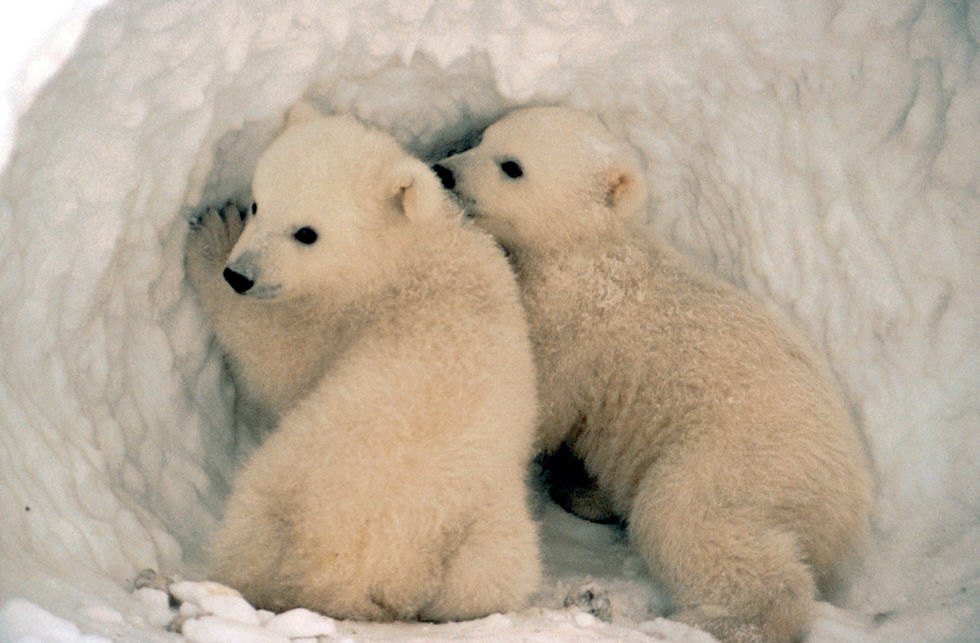
Polar bear cubs are born in a snow den, blind and nearly hairless, and weigh a little over a pound. Their mother fasts for three to four months while she nurses them. The family leaves the den around April, when the cubs weigh 22 to 26 pounds.
Emperor penguin chicks in quarantine
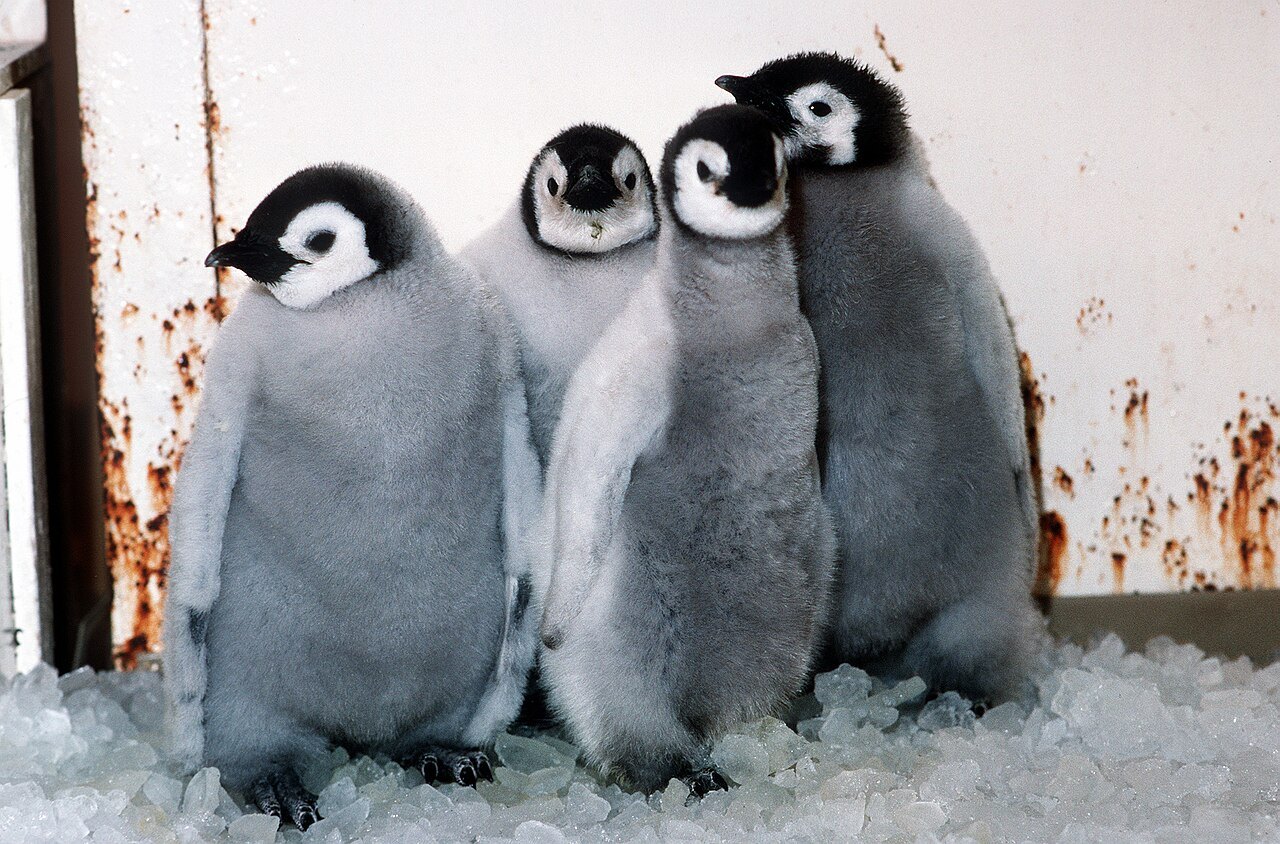
A Defense Department caption says these four chicks huddled in a quarantine area at SeaWorld San Diego after a flight from McMurdo Station, Antarctica, for a National Science Foundation study. The photograph is dated November 16, 1988. In Antarctica, huddling is how emperor chicks keep warm.
Newborn black-footed ferrets
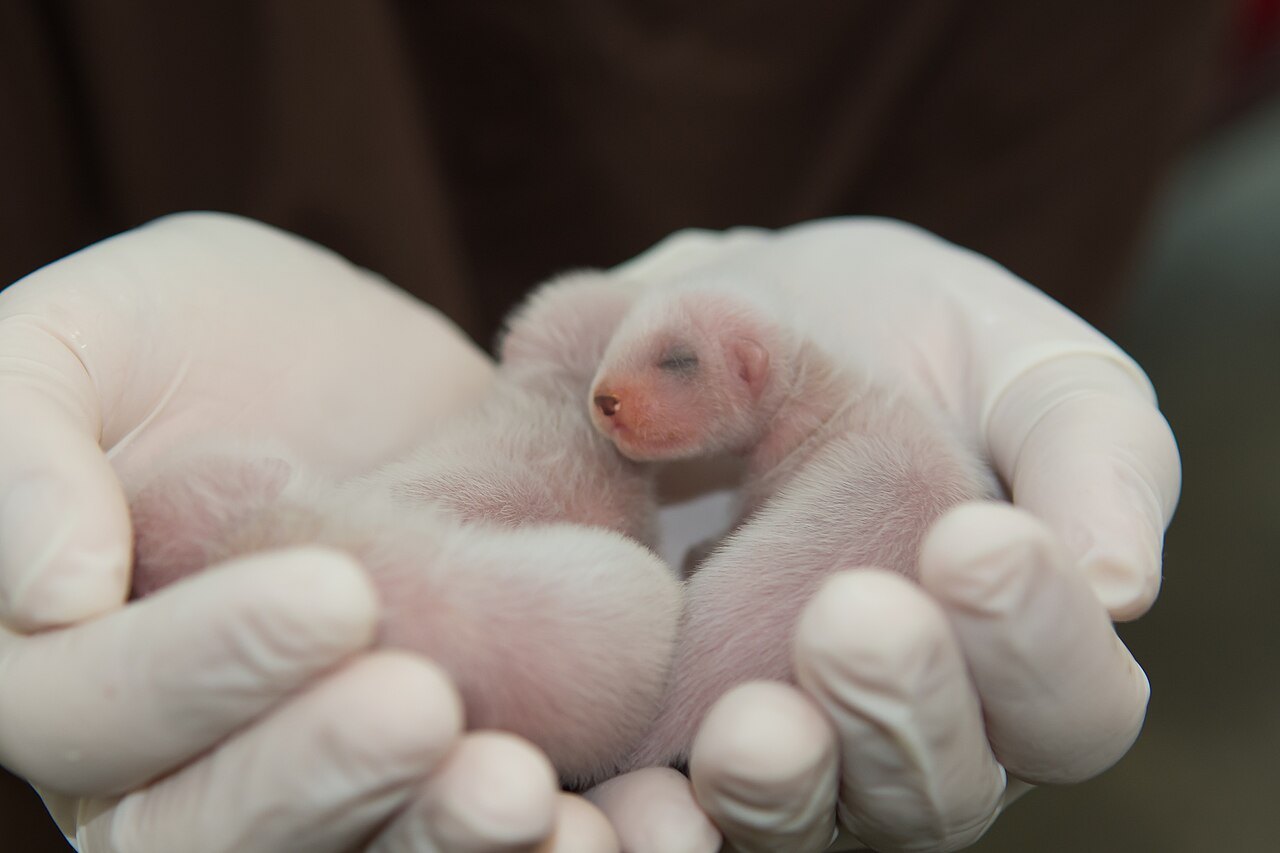
The black-footed ferret was presumed extinct until a colony turned up near Meeteetse, Wyoming, in 1981. Eighteen animals were later brought into human care to start a breeding program. Newborn kits are blind and weigh less than two nickels. Here two of them rest in gloved hands.
A Hawaiian monk seal and her pup
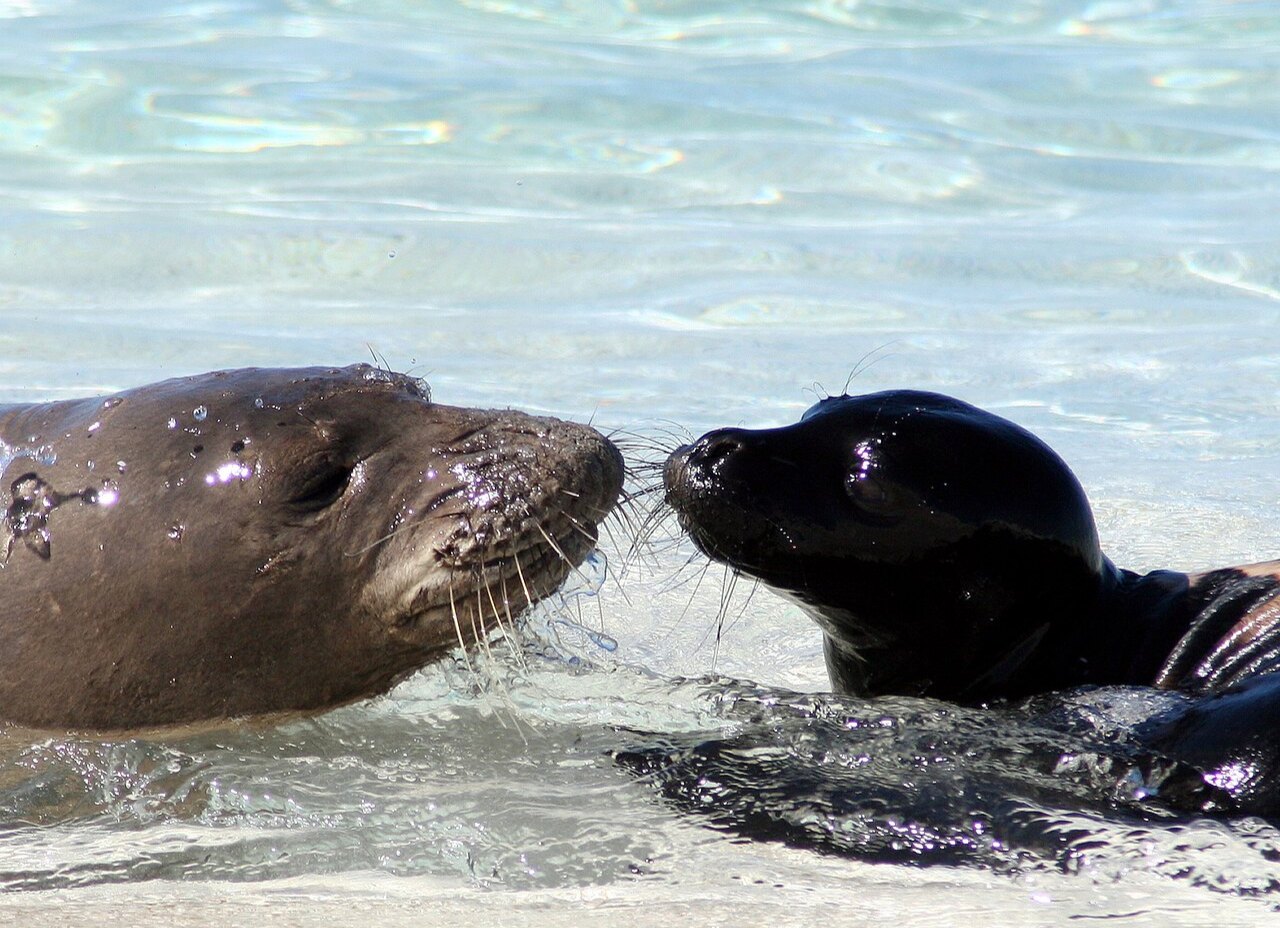
Hawaiian monk seal pups are born black and weigh 25 to 35 pounds. Their mother does not eat while she nurses for five to seven weeks, and the pup is nearly 200 pounds by weaning. This pair was photographed in the shallow water of Papahānaumokuākea Marine National Monument.
A humpback calf swims with its mother
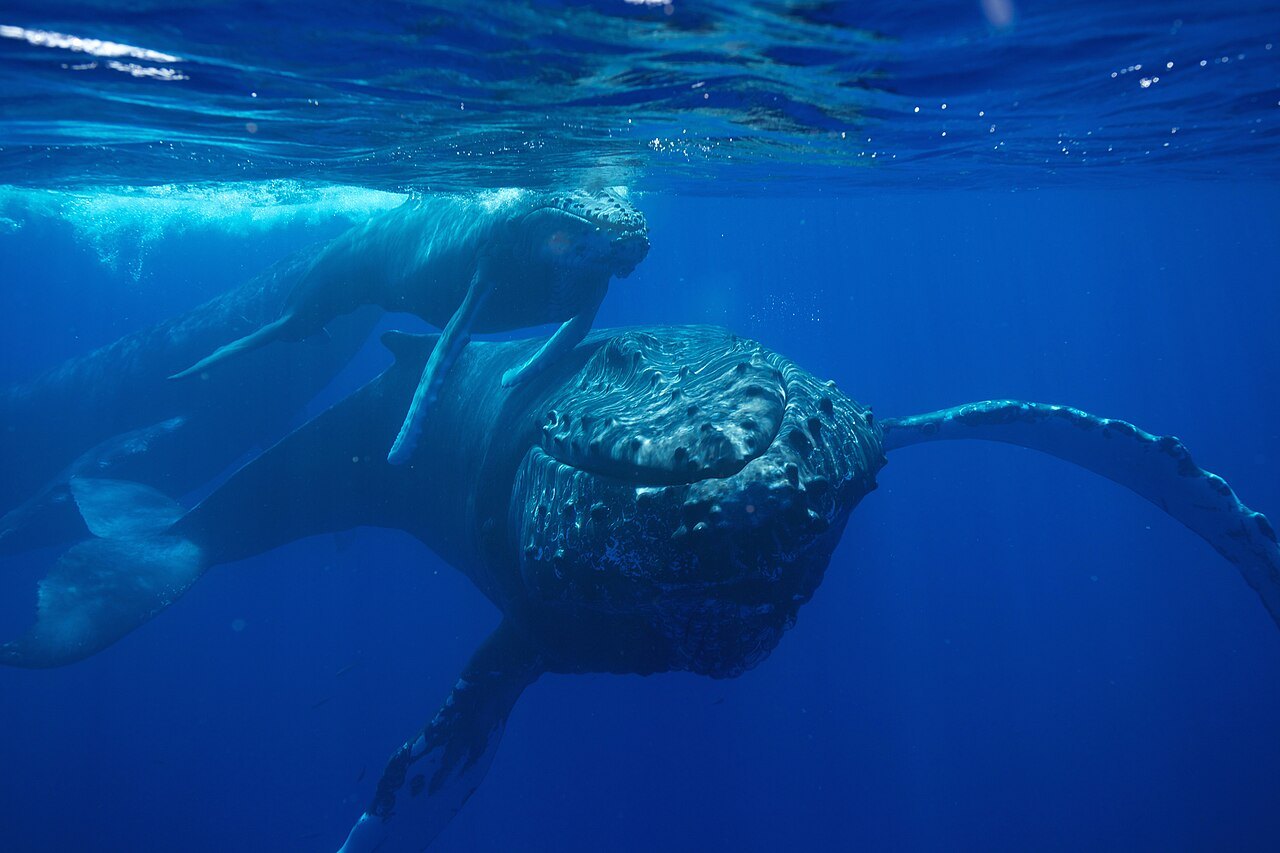
Each year, NOAA says, humpback whales travel from Alaska to a sanctuary in Hawaii to mate and calve, in water that is warm, clear and free of predators. Mothers fast while they nurse. A University of Hawaii study found that calves need 38 times more energy after birth than before.
Burrowing owl chicks in a row
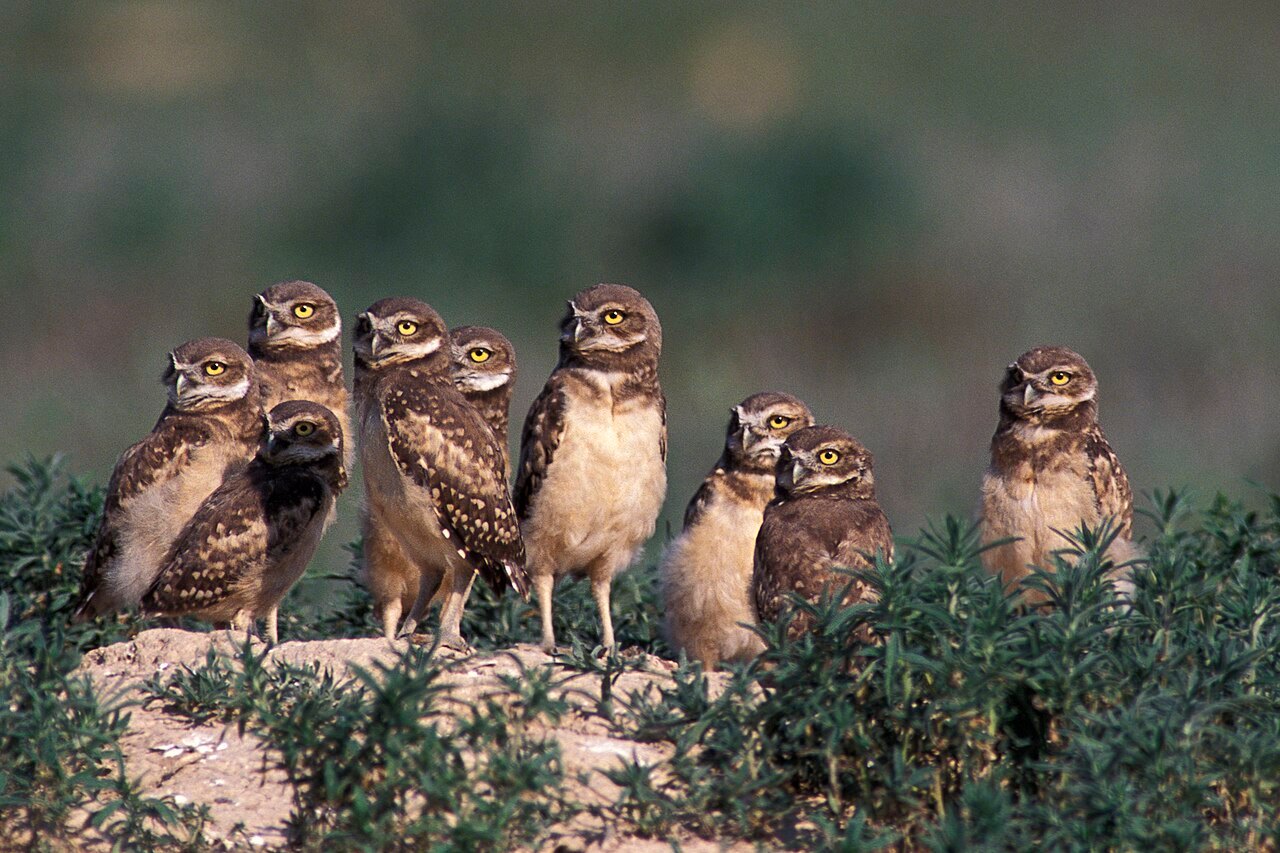
Burrowing owls nest in underground burrows, usually dug by prairie dogs or ground squirrels. A clutch can hold two to twelve eggs, and the chicks’ rasping sounds may mimic a rattlesnake. Volunteer Dave Showalter photographed this row of owlets at a national wildlife refuge in May 2008.
Red fox kits at play
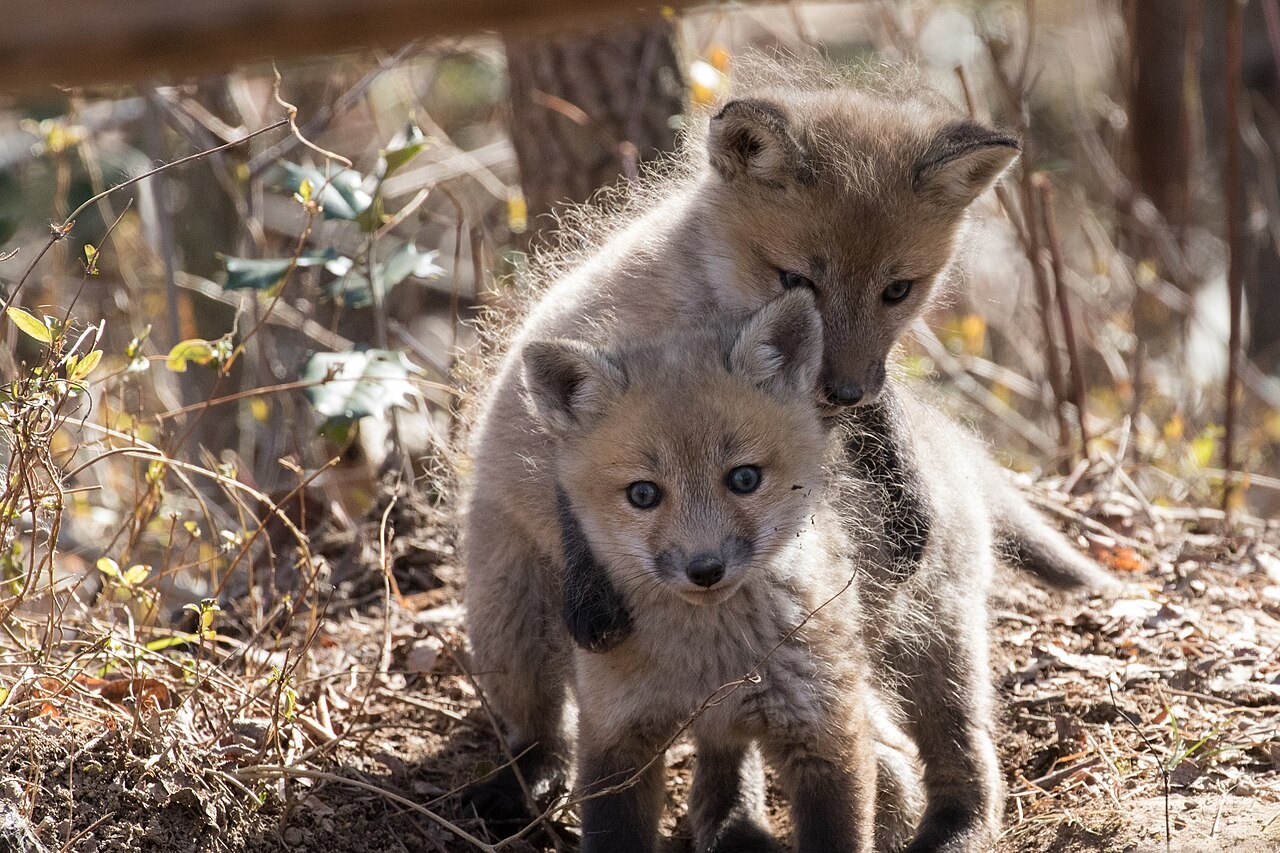
These kits were spotted playing at a national wildlife refuge in Delaware in March 2018. Red fox kits are born blind and weigh about four ounces, and they leave the den at about four weeks. A litter of four is common, and ten is not rare.
A Kemp’s ridley hatchling
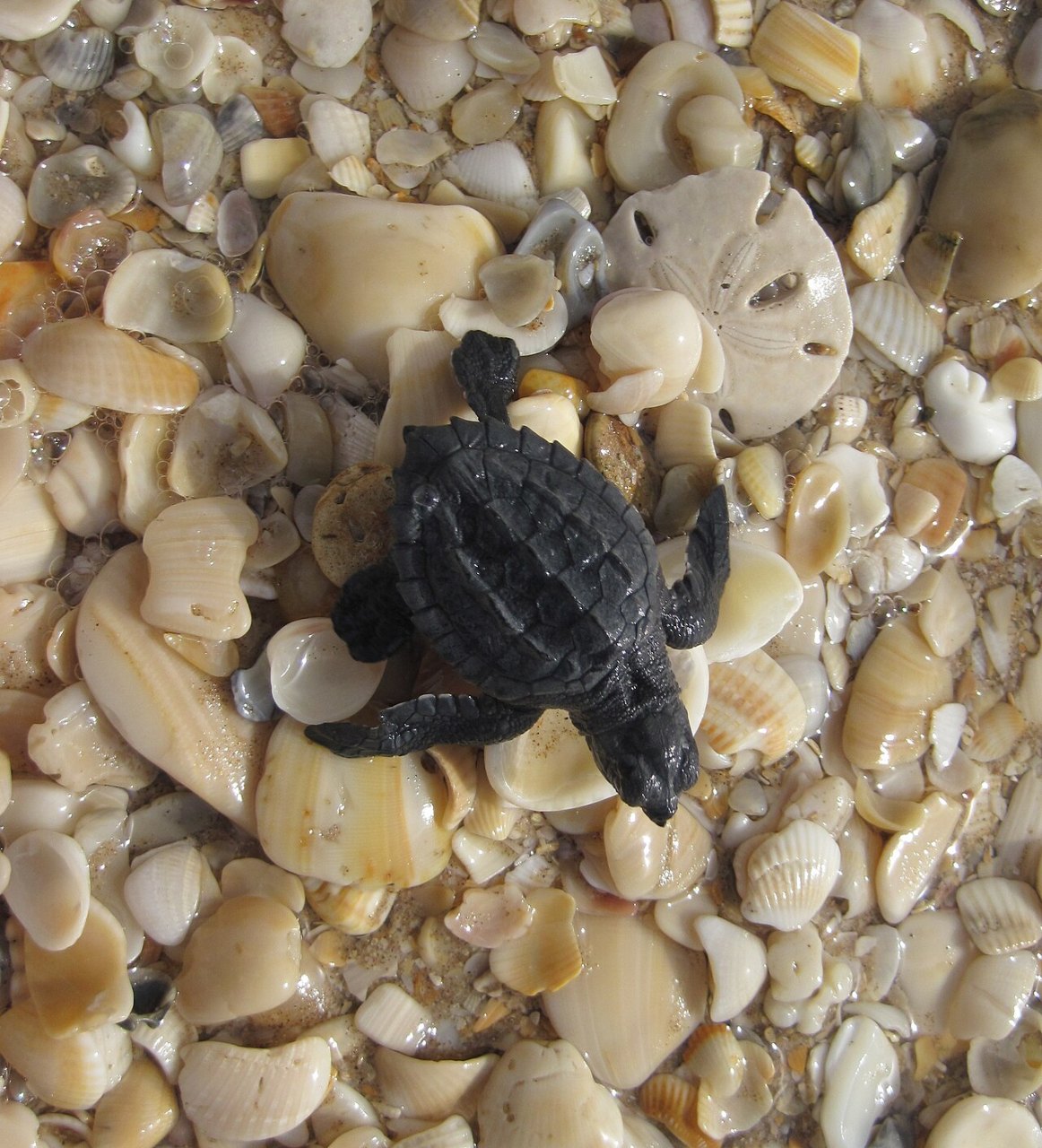
The National Park Service says a Kemp’s ridley hatchling is about the size of an Oreo cookie, and the trip from its nest to the Gulf of Mexico can be a challenge. The Fish and Wildlife Service calls this species the world’s most endangered sea turtle. Here a hatchling crosses a bed of shells.
Bei Bei plays with his mother
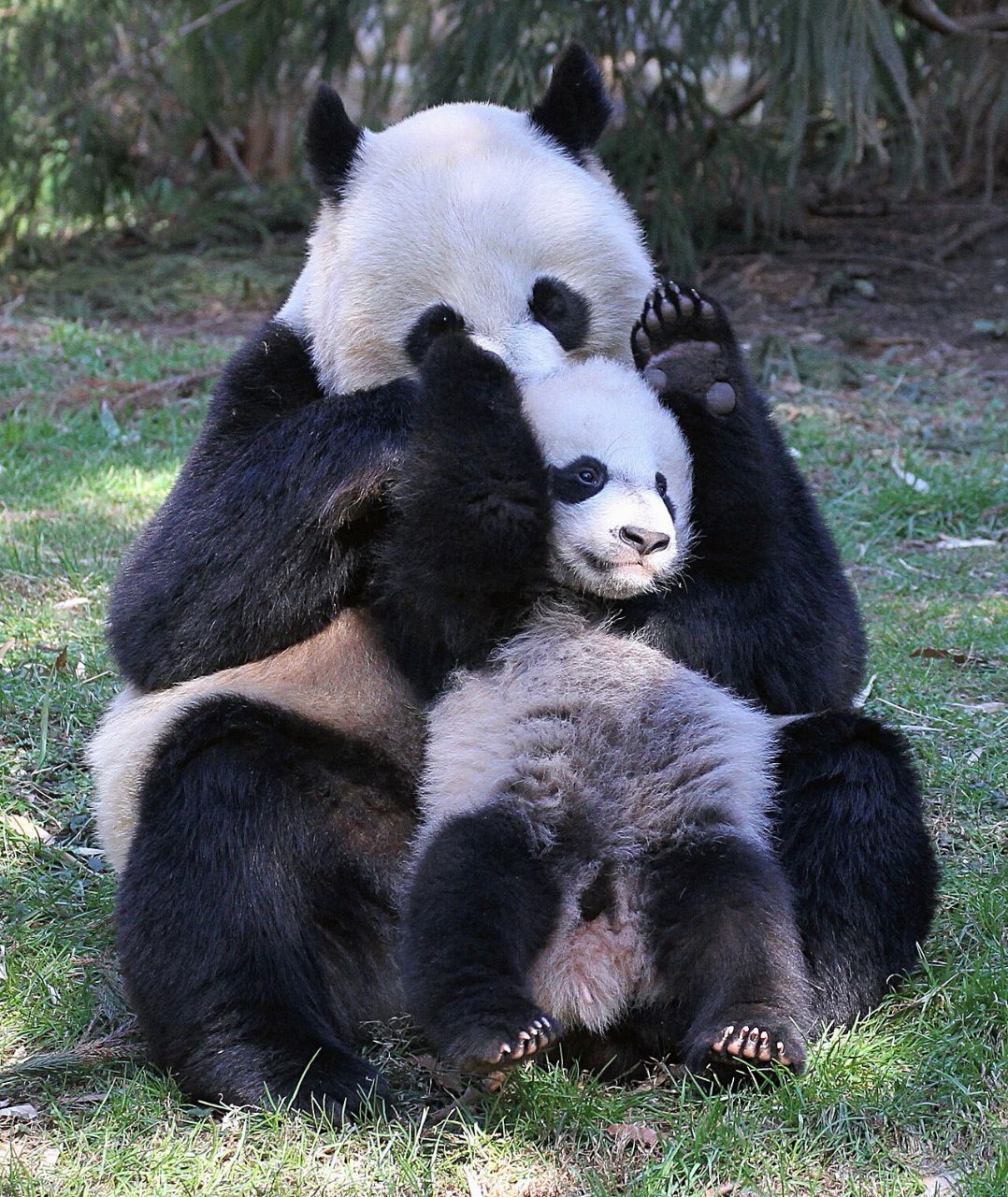
Bei Bei was born on August 22, 2015, at the Smithsonian’s National Zoo to the panda Mei Xiang, and his name means precious. This photograph shows him at five months old, with his mother. He made his public debut on January 16, 2016, and moved to China in 2019.