Between 1942 and 1979, engineers tried nearly every odd shape and method for getting off the ground. These nine aircraft all left it, though a couple did not get far. The photographs come from the U.S. Navy, the Air Force, NASA and museum archives, and every one is in the public domain.
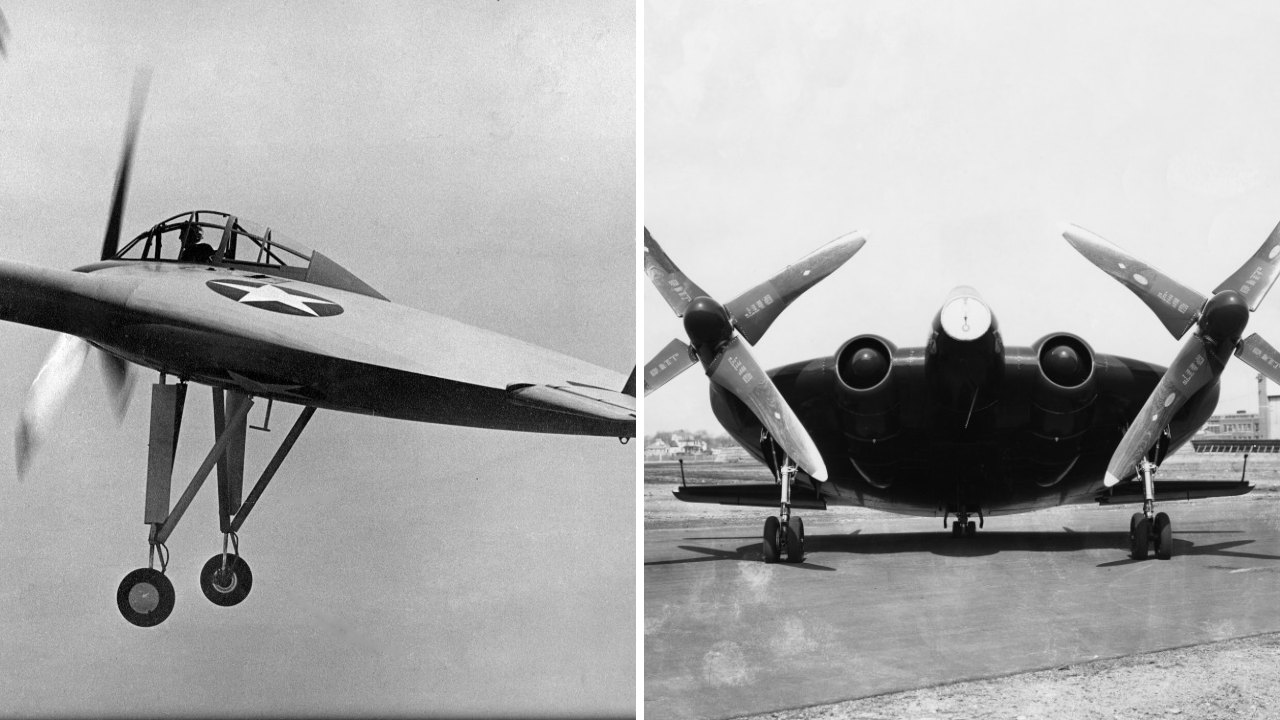
The V-173, a wooden flying pancake
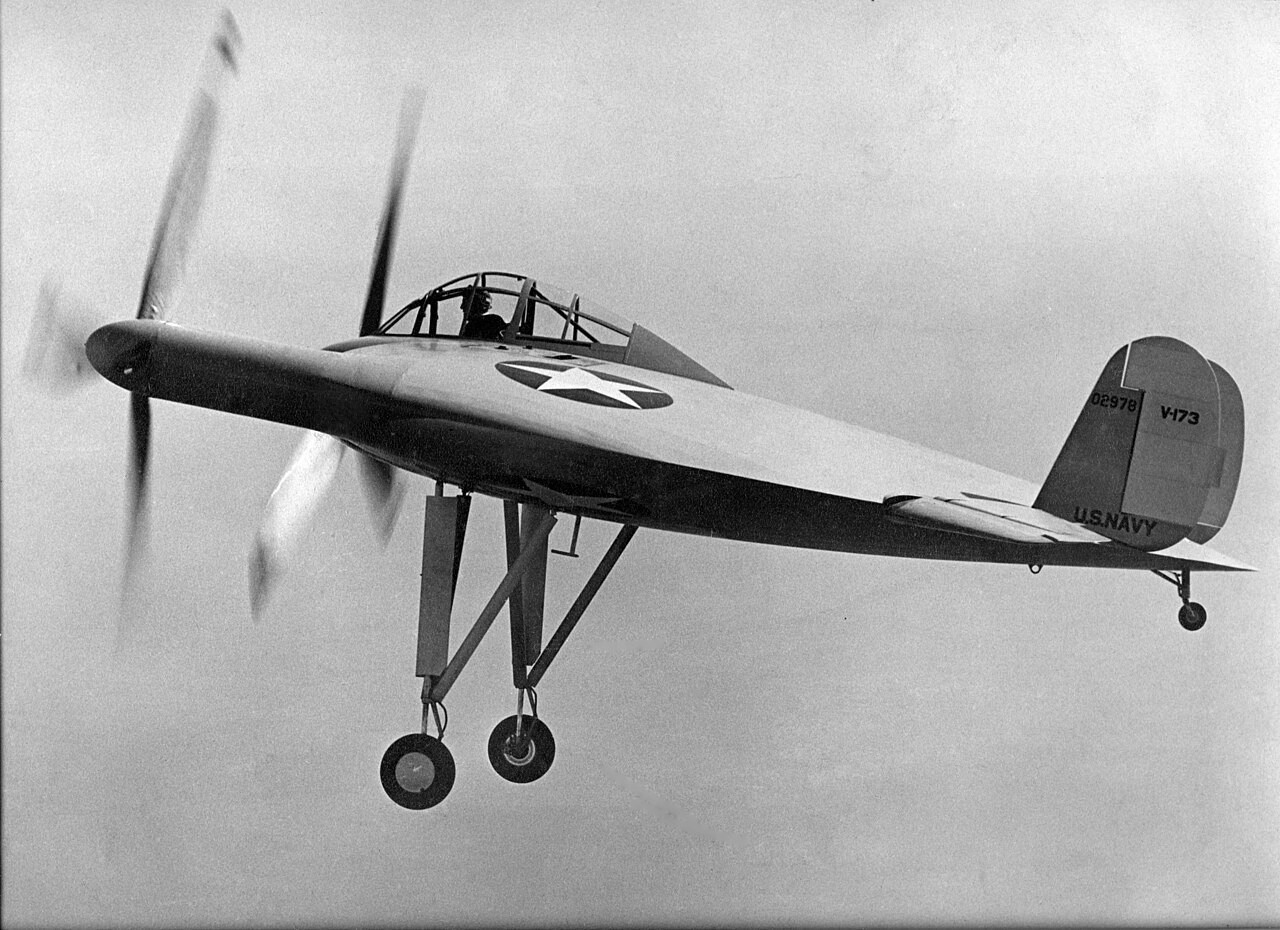
The Vought V-173 first flew on November 23, 1942, with chief test pilot Boone Guyton at the controls. Designer Charles Zimmerman built the round wing from wood and fabric, and the plane was almost impossible to stall. It made 190 flights, and Charles Lindbergh was among the pilots who tried it.
The XF5U-1, a pancake that barely hopped
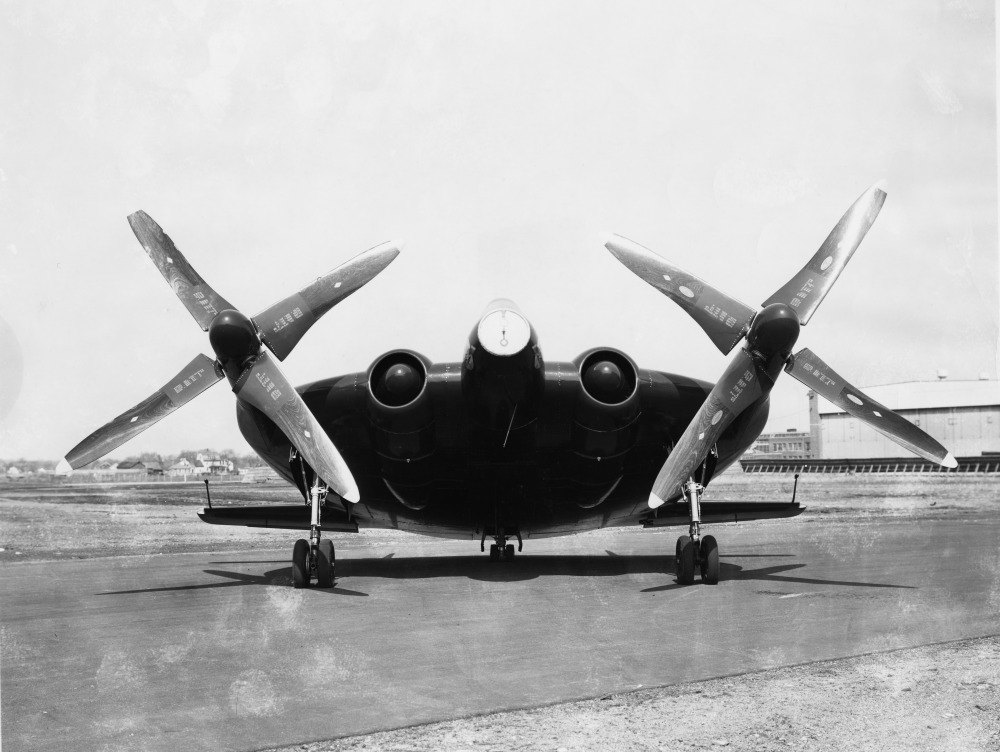
The XF5U-1 was meant to be the Navy’s fighter version, built around two big radial engines. It managed only taxi runs and short hops, which are not counted as true flights. The Navy canceled it on March 17, 1947, and scrapping it reportedly took blowtorches, because a steel ball bounced off its skin.
The Pogo, a fighter that landed on its tail
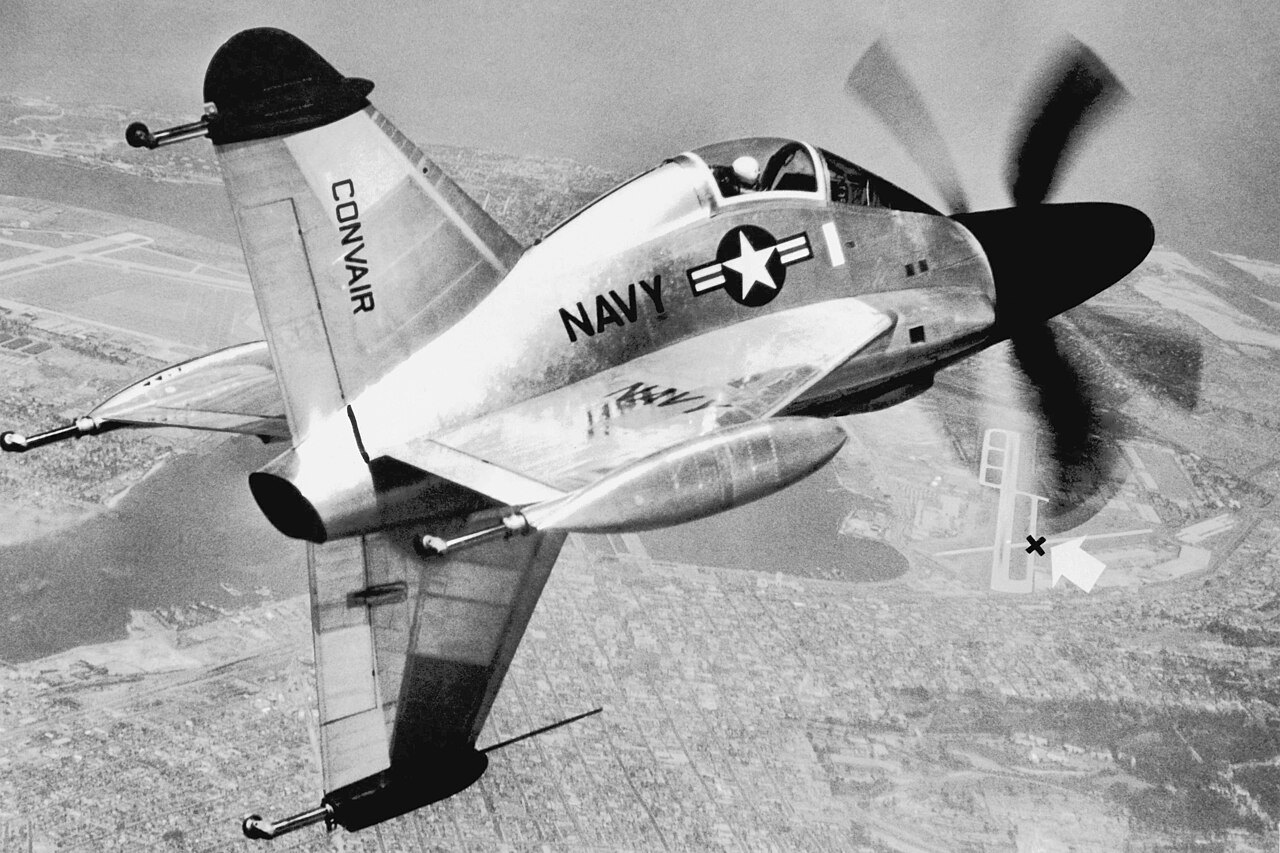
Convair’s XFY-1 was meant to take off and land on its tail, so a fighter could work from a small warship deck. Test pilot Skeets Coleman made the first untethered flight on August 1, 1954, rising about 20 feet. Landing meant backing down while looking over his shoulder, and the Navy ended the project in 1955.
The Inflatoplane, an airplane from a box
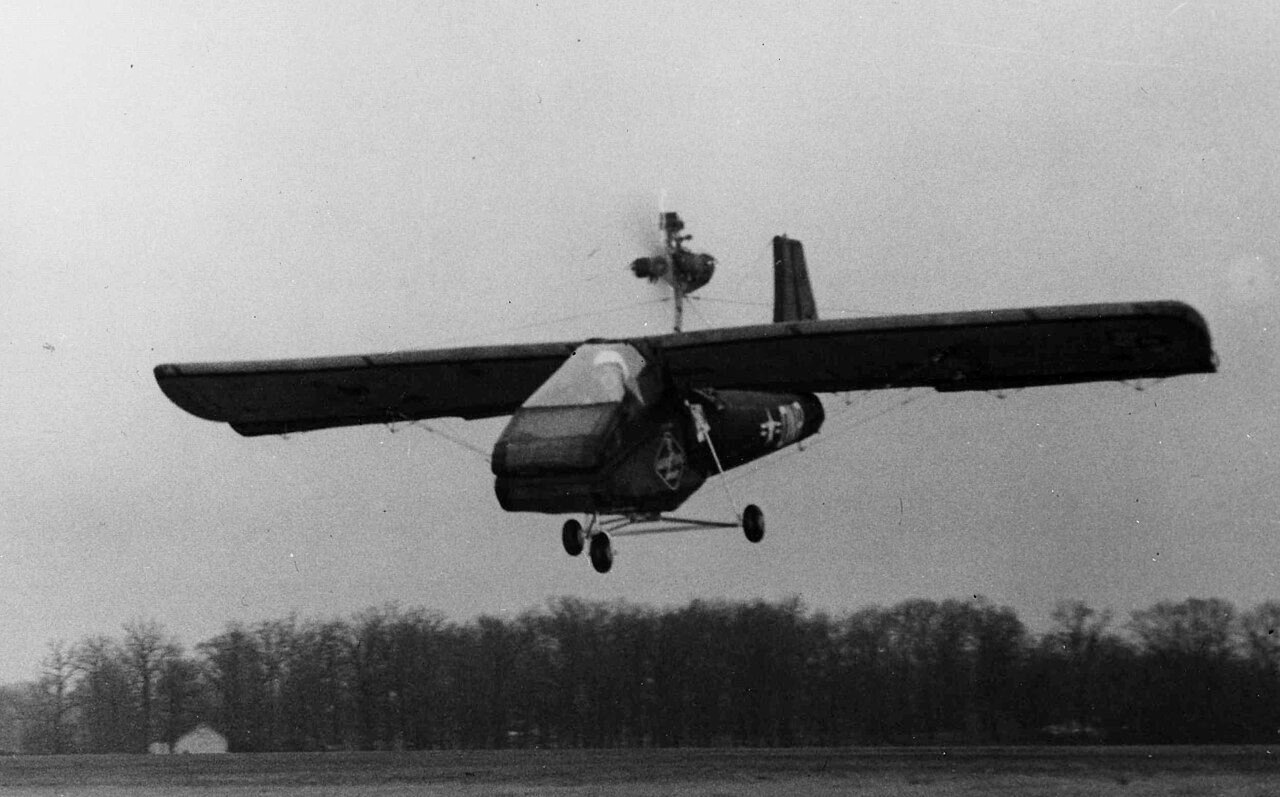
Goodyear’s Inflatoplane was built mostly from rubberized fabric, packed into a box of about 44 cubic feet and blown up in around five minutes. The Army pictured it as a rescue plane to drop behind enemy lines. This is the GA-447, a test model with an enclosed cockpit, and the military never placed an order.
The Avrocar, a saucer that hugged the ground
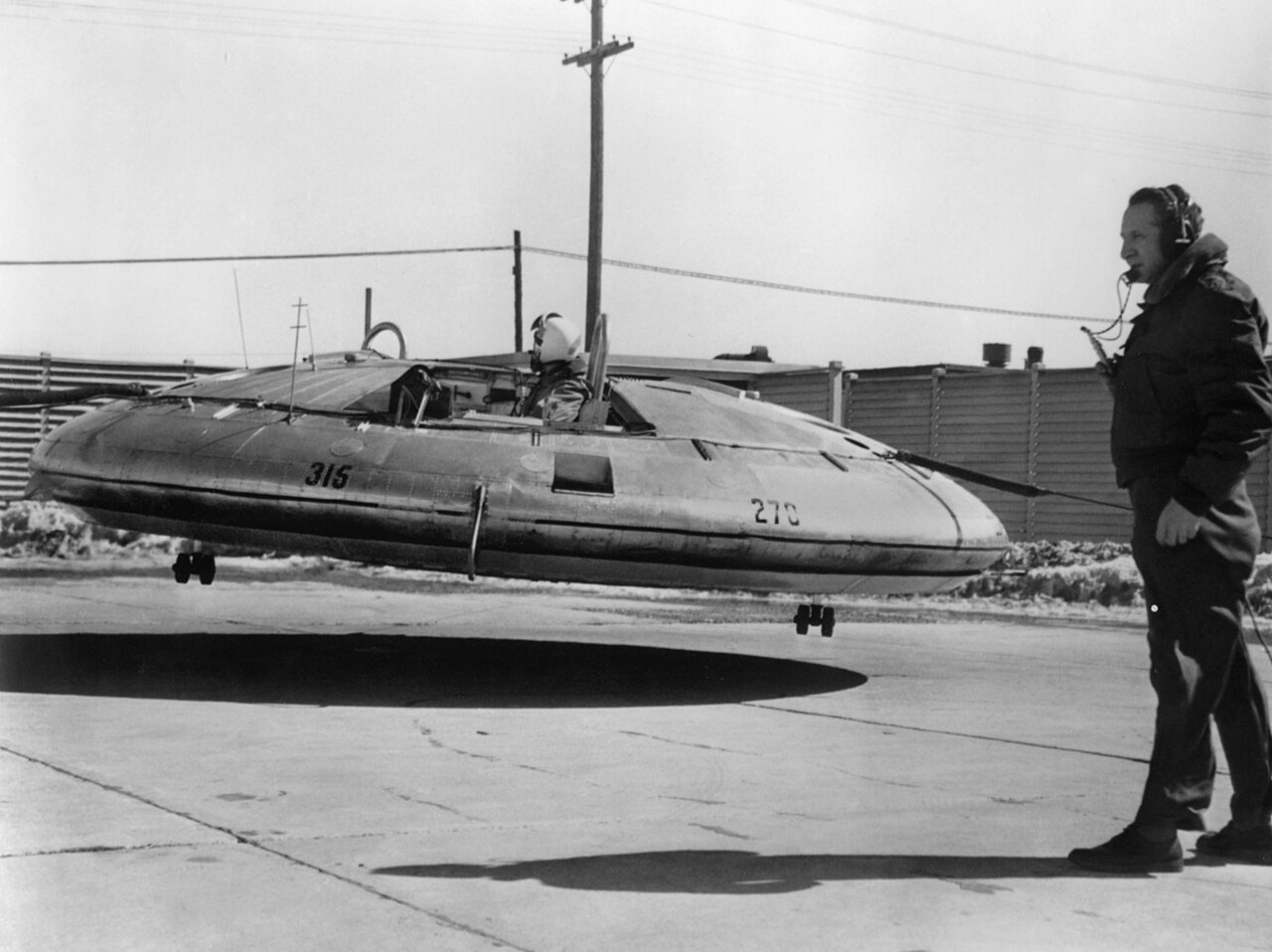
Avro Canada built two Avrocars for the U.S. military, which hoped for a very fast, high-flying fighter shaped like a saucer. Before free flights, tests were flown on tethers, front and back, for safety. In free flight it never rose much above three feet, and the program was cancelled in 1961.
The M2-F1, a flying bathtub with no wings
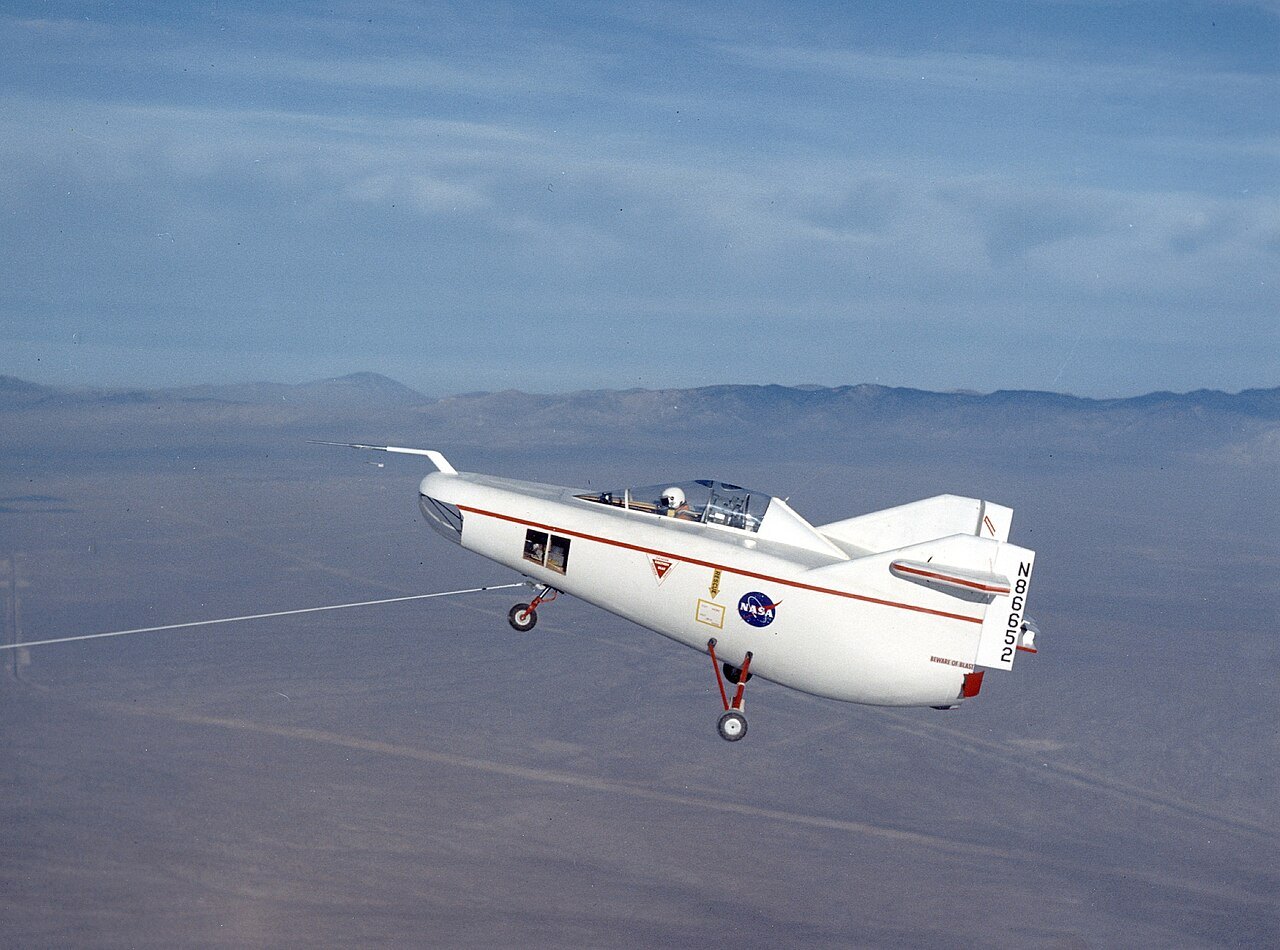
NASA built the M2-F1 from mahogany plywood and steel tubing, for roughly $50,000, to learn whether a wingless body could be flown and landed. It was towed into the air for the first time on August 16, 1963, with Milt Thompson at the controls. It made 77 flights, and the research behind it later fed into the Space Shuttle.
The LLRV, a flying bedstead for the Moon
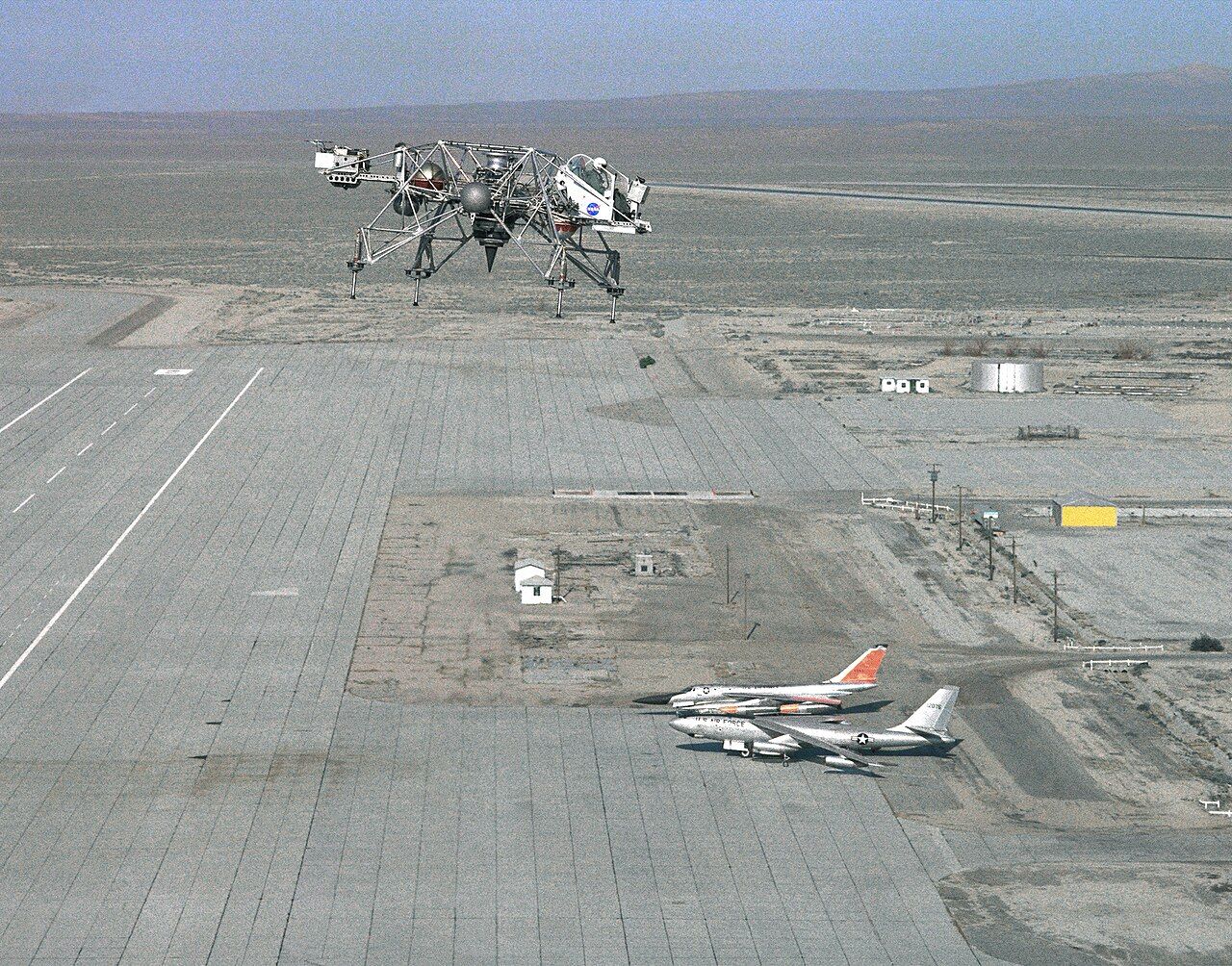
Bell Aerosystems built two of these vehicles for NASA to rehearse Moon landings. A jet engine pointed straight down carried five-sixths of the weight, so the pilot felt only lunar gravity. Joe Walker flew it first on October 30, 1964, and in 1968 Neil Armstrong ejected from a trainer of this kind just before it crashed.
The AD-1, a wing that pivoted sideways
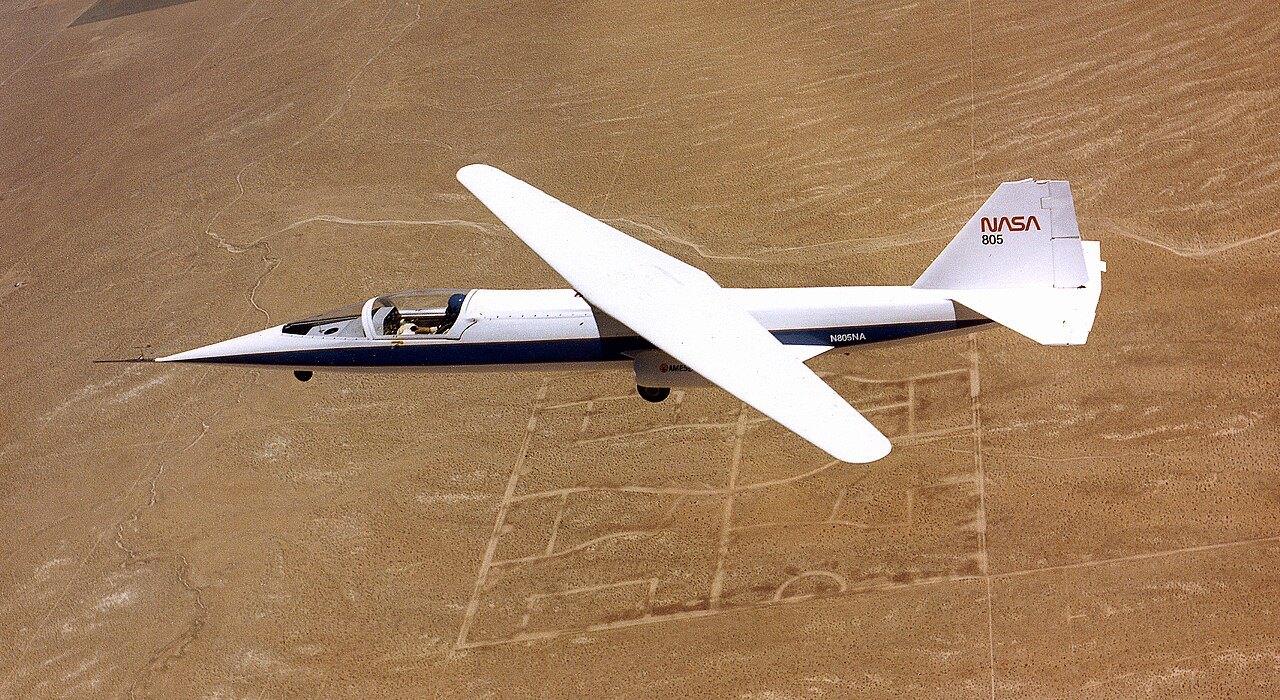
NASA’s AD-1 had a single wing that pivoted, from straight across to 60 degrees, so researchers could see how an oblique wing behaved. Burt Rutan designed it, and Ames Industrial built it for $240,000. It first flew on December 21, 1979, and made 79 research flights before the program ended in 1982.
The Airgeep II, a flying jeep
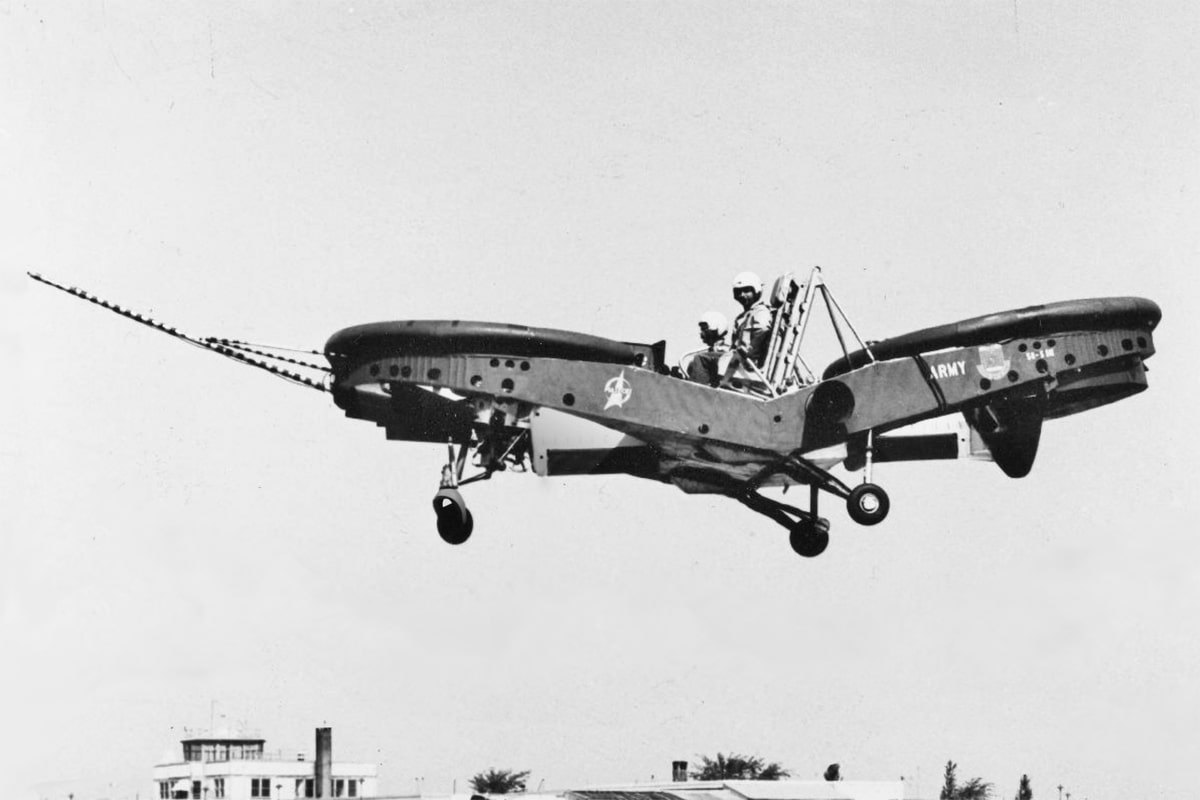
Piasecki’s Airgeep II was a flying jeep, with a ducted rotor at each end of a boxy deck and the crew in the middle. The U.S. Army wanted something simpler to fly than a helicopter, and test pilot Tommy Atkins made the first flight on February 15, 1962. It could carry five people, but the Army chose helicopters.